English followed by une version en français y una versión en español. Each of these versions comes with a backstory/histoire derrière/transfondo.
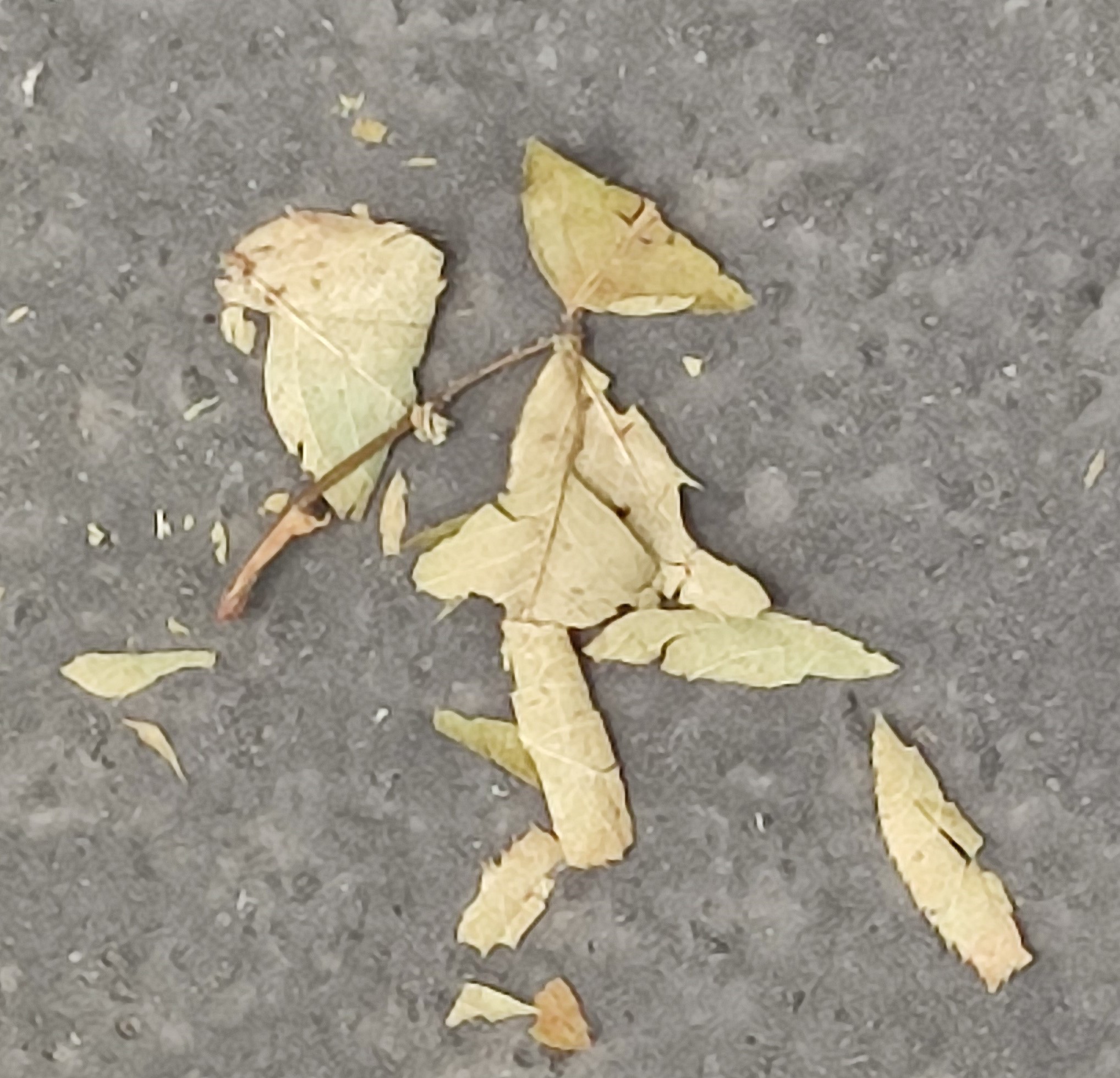 En France on a eu très peu de pluie depuis le début mars. Quand je suis en Charente-Maritime, je pédale le long des pauvres champs de maïs qui n’ont pas reçu suffisamment de pluie pour que les épis, plutôt bruns, poussent.
Of course—and starting in just a day or two—France may next have a year like last year, in which in parts of the country there was so much rain the farmers had difficulty planting. And the climate extremes France is experiencing are yet more extreme in many parts of the world, especially in countries closer to the equator.
In another previous piece – They took to the water – Sin saber qué más hacer – Il n’y avait pas d’autre issue – I cited in English an observation of the British naturalist Marianne Taylor, from her The Story of Life in 10½ Species. Here is the French translation by Chantal Mitjaville : « si les hommes ont appris à mesurer l’énorme coût de leur impact, ils semblent ne pas avoir su en tirer les leçons. » (Histoire de la vie en 10,5 espèces, 2021.)
And I’m afraid we must answer the child of the poem(s) below that, yes, of course there are people who live without sufficient rain, and some of them live quite well, by taking the water that used to flow to other people, some of whom now find themselves in desperate, bone-dry straits.
The English economic historian Peter Mathias has hardly been the only one to note: “water (the most important raw material of all).”
English
Didn’t we used to have rain?
Didn’t we used to have rain?
I remember you always took an umbrella because you said it could rain at any time.
If it doesn’t rain, how will we get water?
Are there people who live without rain?
Will we have to move?
Where will we move to?
What if we move somewhere and they don’t have any rain either?
The Backstory
From the beginning of March till near the end of August (2025), it hardly rained in Paris. In the spring I had the sense that, much like Southern Californians, people in Paris were enjoying the constant sunshine without thinking of the problems it was posing. In this case for French farmers and food costs en premier lieu.
So then one day in late June I went down to the storage area in my building to retrieve my bicycle. And as I was going there I was, for some reason, recalling how I, like many other Paris residents, used to often carry an umbrella with me, in case it rained. But I had stopped thinking of doing this.
And then I saw that the person who comes to clean the common areas of the building had washed the cement floor of this common area, which is also where we put our garbage. This was unusual, for him to do this. Normally some rain falls into this area and that’s about it for cleaning. So I was glad some cleaning had been done, but thought again of the drought, of where the water for such cleaning was coming from.
Français
Il ne pleuvait pas dans le passé ?
Il ne pleuvait pas dans le passé ?
Je me souviens que tu prenais toujours un parapluie parce que tu disais qu’il pouvait pleuvoir à tout moment.
S’il ne pleut pas, comment aurons-nous de l’eau ?
Y a-t-il des gens qui vivent sans pluie ?
Devrons-nous déménager ?
Où irons-nous ?
Et si nous déménagions quelque part et là-bas il ne pleut pas non plus ?
L’histoire derrière
Du début mars à la fin août (2025), il n’a pratiquement pas plu à Paris. Au printemps, j’avais l’impression que, tout comme les Southern Californians, les Parisiens profitaient du soleil constant sans penser aux problèmes que cela posait, en premier lieu en France pour les agriculteurs et le coût des denrées alimentaires.
Un jour, fin juin, je suis descendu chercher mon vélo dans la zone de stockage de mon immeuble. En m’y rendant, je me souvenais, que j’avais l’habitude, comme beaucoup d’autres Parisiens, d’emporter un parapluie au cas où il pleuvrait. Mais j’avais cessé d’y penser.
Et puis j’ai vu que la personne qui vient nettoyer les parties communes de l’immeuble avait lavé le sol de cette zone, qui est aussi l’endroit où nous déposons nos ordures. C’était inhabituel de sa part. Normalement, un peu de pluie tombe sur le sol et voilà pour le nettoyage. J’étais donc heureux du nettoyage, mais je me suis remis à penser à la sécheresse et à l’origine de l’eau requise.
Español
¿No llovía antes?
¿No llovía antes?
Recuerdo que siempre llevabas paraguas porque decías que podía llover en cualquier momento.
Si no llueve, ¿cómo vamos a conseguir agua?
¿Hay gente que vive sin lluvia?
¿Tendremos que mudarnos?
¿Adónde iremos?
¿Y si nos mudáramos a un lugar donde tampoco lloviera?
El transfondo (Los antecedentes)
Desde principios de marzo hasta finales de agosto (2025), apenas llovió en París. En primavera, tuve la sensación de que, al igual que los habitantes del sur de California, los parisinos disfrutaban del sol constante sin pensar en los problemas que esto planteaba. En este caso, para los agricultores franceses y el coste de los alimentos, en primer lugar.
Entonces, un día a finales de junio, bajé al área de almacenamiento de mi edificio para recuperar mi bici. Y mientras iba hacia allí recordaba cómo yo, al igual que muchos otros habitantes de París, solía llevar siempre un paraguas por si llovía. Pero ahora ni se me ocurre hacerlo.
Y entonces vi que la persona que viene a limpiar las zonas comunes del edificio había lavado el suelo de esta almacén, que es también donde depositamos la basura. No era habitual que lo hiciera. Normalmente cae algo de lluvia en esta espacio y eso es todo para la limpieza. Por lo tanto, me alegré de la limpieza, pero volví a pensar en la sequía, en de dónde procedía el agua requerida.
— Poem(s) and photograph by William Eaton.
If you liked this poem, you might find others to your taste in Light verse, light verse: Everything else is worse.
 montaigbakhtinian