English followed by una versión en español et une version en français. There are also some snippets of 1940s English poetry towards the end.
The poem below may be read as a love poem, but I have thought of it as also applying more generally, to life, to living. I have also thought it close to impossible to translate the English original and so have developed somewhat different poems in French and Spanish. As ever, it’s easier to move between English and Spanish than between English and French. Ainsi, en l’espèce, le français est assez éloigné de l’anglais original, tant au niveau du sujet que du climat.
I can only hope the differing versions do not pollute the reading of any given one and particularly not of the English, which is a particular favorite. The fact is: at least for the moment I am so enamored of this work that I am also including far, far below something closer to the original draft.
English
If doing might ever do
If doing might ever do,
That is what we did.
And if waiting, it still may bring,
That’s why I, at least, persist.
And if nothing indeed nothing is,
This could be where it’s hid.
And if there’s oh so much that we have missed,
This is how we’ve lived.
Español
Si actuar puede ampliar
Si actuar puede ampliar…
Es por eso que hemos intentado.
Y si esperar aún puede traer…
Es por eso que he sido terco.
Y si cada uno ha perdido algo,
es como ambos hemos vivido.
Y si en efecto no queda nada,
ahí es donde esa nada está.
Français
Si un rien me convient
Si un rien me convient…
Vaudrait mieux que je désiste.
Mais si d’agir élargir…
Vaut la peine que je persiste ?
Et si la nuit, pas endormi,
Je garde une place pour bises ?
Et si cette attente, elle apporte,
L’attente, est-elle triste ?
1940s English poetry
While the present poem(s) would seem to have nothing to do with the poetry being written in England in the 1940s, a first draft came to me when I was beginning to read Robin Skelton’s anthology, Poetry of the Forties (Penguin, 1968). Of course this was a challenging decade for the English, as for many others, and its poets may also have been caught uneasily between the grand English tradition and Modernist movements in France and England. The good moments seem rare, but are not entirely lacking!
Three examples here.
Three lines from Stephen Spender’s “June 1940,” which lines from an unidentified speaker might be but slightly revised (bypassing Germany) to apply to the contemporary United States (or, say, to the situation here in France):
‘Our indolent injustice, for so long
Snoring over Germany, is overthrown.
To face us with an even greater wrong.’
And there is the also sadly still relevant second stanza from Sean Jennet’s “Hereafter.” This poem begins: “How shall men turn their minds again to peace / who live by violence in these years of war”. So then the second stanza:
I see the sorrow of the men of death
walking the narrow road in the silent sun:
the murdered woman with the shattered head,
the child that never hated smashed by hate;
the bitter faction of the broken bottle
and the razor battle in our common street.
And finally, on a more peaceful note, John Jarmain’s description of a bird in the middle of “Ring Plover at El Alamein”:
Small and plump and coloured,
Black and white and red,
Surprising as a painted wooden toy.
He and I alone had the pale shore,
I still and watching him,
The bird busy as an absorbed small boy:
He ran importantly, bobbed and cocked his head.
Small and pre-occupied, always hurrying,
As if he were always a little behind.
Something closer to the original draft
If doing does
That is what I did.
And if waiting brings,
That’s why I persist.
And if there’s something that I’ve missed
This is where it is?
And if nothing of all this comes,
That is how it is.
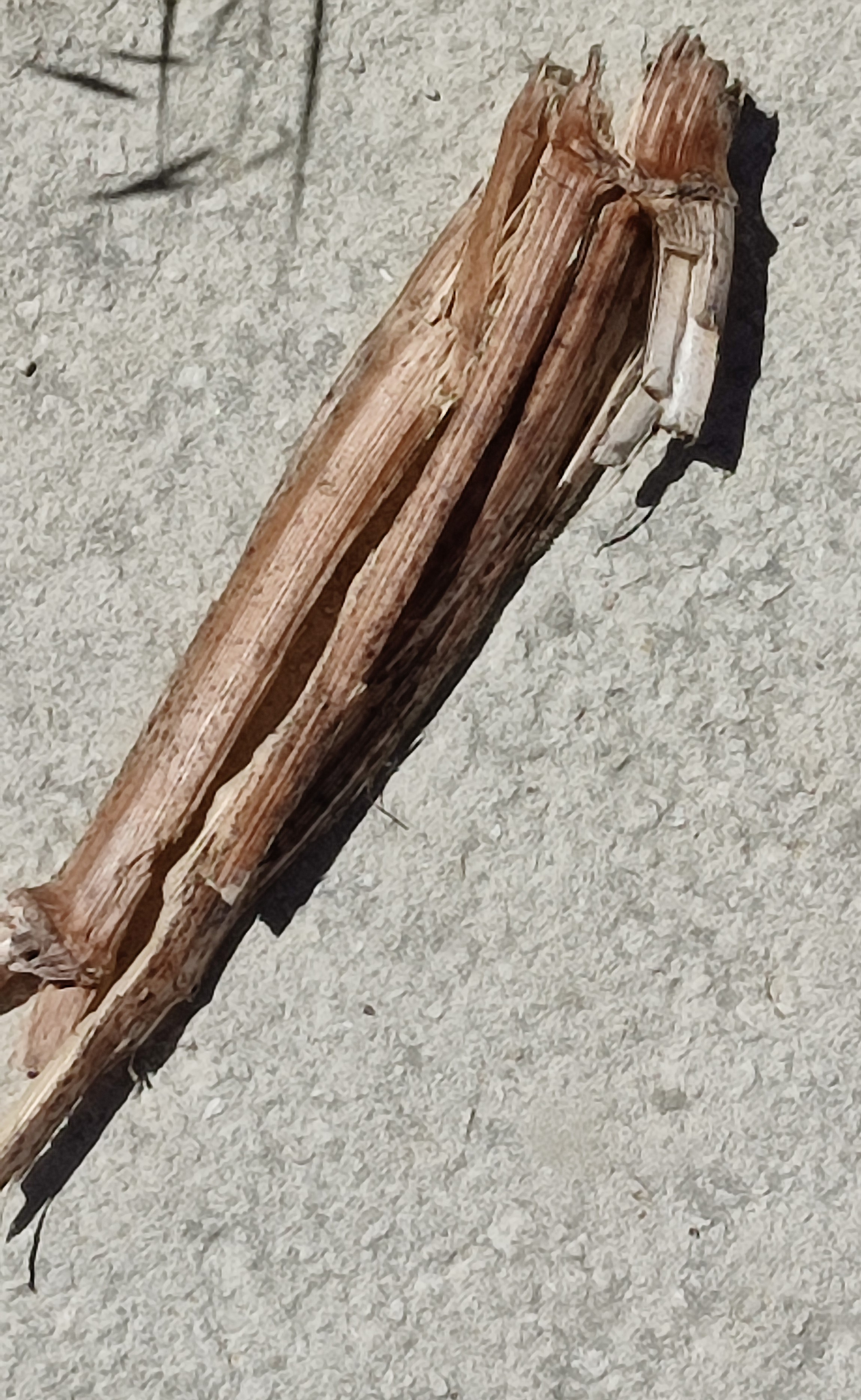
— Poem(s) and photograph by William Eaton.
Check out Eaton’s latest collection of poetry and prose: 4 billion eggs.
 montaigbakhtinian
[…] versions in English, français y español: If doing might ever do, 4 billion eggs, The Young Woman and the […]