English followed by une version en français y una versión en español. There is also an Addendum in English.
English
A riff on love, possession, attachment
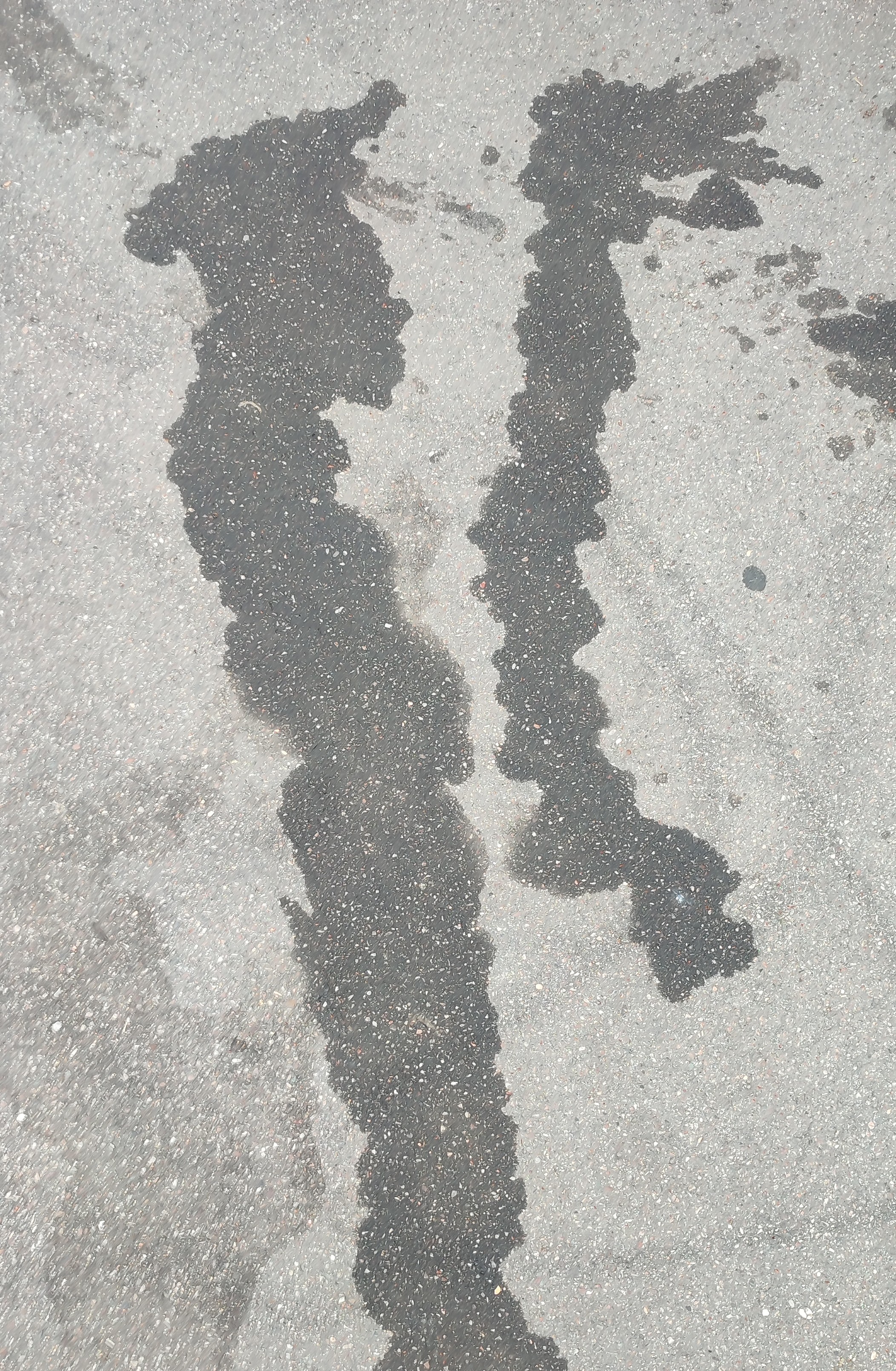 There is a part of love, a large part, that is about possession – possessing, being possessed. Or feeling as if one were possessing, feeling possessed.
And there is a warmth that comes afterward, or right along – an attachment to the possessor or to the one possessed. And this warmth may be related to feelings of possession.
And there may be a disenchantment when one realizes that an other human being – or other beings more generally (cats!) – cannot be possessed, nor possess. (Except, perhaps, in the womb?)
And this impossibility may be what drives us to wish for possession or to be possessed.
And, again, mothers have a place here. A mother is the one being who, if only briefly, may have possessed us and who, nonetheless, we ourselves were never able to possess.
We note as well the drive of children and ex-lovers for greater autonomy, a desire to distance oneself from the possessiveness of others.
A note on attachment
The milder word “attachment” arises in this context. We seek to become attached, to attach an other, or others, to ourselves. But this is less quixotic or powerful than possession.
Addendum
It is possible that this riff was inspired by the sight of two new lovers kissing in the row in front of me in a Paris movie theater, and for the duration of the movie. The movie was Histoires ordinaires et extraordinaires, réalisée par Laurent Firode. The first of these histoires has little to do with the riffs above and below, but was too good to leave undescribed. A wealthy older man has partnered, let’s call it, with an attractive younger woman, and what or all he sees in her is that she is attractive and younger. They are to go to an intimate dinner with a well-to-do couple, old friends of the man’s. The older man suggests to the younger woman that she wear to this dinner a transparent blouse and no bra. She demurs, but during the dinner notes that she is writing a story for a creative-writing class.
The others are eager to hear the story. The woman says that her partner, the older man, being wealthy, had never shown any interest in what she had done for a living before they met. In fact, she had worked as a prostitute. And she had decided to write a story based on one of her experiences from those days, about giving a blow job to an elderly man.
Readers may imagine the shocked expressions on the faces of the three others at this little dinner party. And, soon enough, the younger woman says that everything she has said about being a prostitute was, of course, made up. But, we might say, she had thereby well expressed herself.
 Meanwhile, in Hugh Thomas’s engaging 1957 novel The World’s Game, I have come across this sentence, written from the perspective of the young male protagonist who is in love with the wife of his boss (at the British Foreign Office). “Laura” is the wife and George the husband/boss. And to the protagonist:
The extent of George’s investment in Laura, the mere size, that is, of his holding, appeared intolerable and colossal.
Français
Un riff sur l’amour, la possession, l’attachement
Il y a une partie de l’amour, une grande partie, qui concerne la possession : posséder, être possédé. Ou avoir l’impression de posséder, se sentir possédé.
Et il y a une chaleur qui vient après, ou tout au long, un attachement à celui qui possède ou à celui qui est possédé. Et la chaleur pourrait être liée à des sentiments de possession.
Et il peut y avoir une désillusion lorsque l’on se rend compte qu’un autre être humain – ou d’autres êtres plus généralement (les chats!) – ne peut être possédé, ni posséder. (Sauf, peut-être, dans l’utérus ?)
Et cette impossibilité pourrait être ce qui nous pousse à vouloir posséder ou être possédé.
Et, ici encore, les mères ont leur place. Une mère est la seule personne qui, ne fût-ce que brièvement, ait pu nous posséder et que, néanmoins, nous n’avons jamais pu posséder.
Nous notons également la volonté des enfants et des ex-amants d’accéder à une plus grande autonomie, un désir de se distancier de la possessivité des autres.
Une note à propos de l’attachement
Le mot plus doux « attachement » apparaît dans ce contexte. Nous cherchons à nous attacher, à attacher un autre ou d’autres à nous-mêmes. Mais cela est moins quichottesque ou puissant que la possession.
Español
Una reflexión sobre el amor, la posesión y el apego
Hay una parte del amor, una parte importante, que tiene que ver con la posesión: poseer y ser poseído. O sentir que estás poseyendo, sentir que estás poseído.
Y hay una calidez que viene después, o al mismo tiempo: un apego al poseedor o al poseído. Y esta calidez puede estar relacionada con sentimientos de posesión.
Y puede haber un desencanto cuando uno se da cuenta de que otro ser humano -u otros seres en general (¡los gatos!)- no pueden ser poseídos ni poseer. (Excepto, quizás, en el útero.)
Y esta imposibilidad puede ser lo que nos impulsa a desear poseer o ser poseídos.
Y, de nuevo, las madres tengan un lugar aquí. Una madre es el único ser que, aunque solo sea por un breve momento, puede habernos poseído, y sin embargo nosotros nunca hemos sido capaces de poseerla.
Notamos también el afán de los niños y ex amantes por una mayor autonomía, un deseo de distanciarse de la posesividad de los demás.
Una nota sobre el apego
En este contexto surge la palabra más suave «apego». Buscamos apegarnos a los demás y que los demás se apeguen a nosotros. Pero eso es menos quijotesco o poderoso que la posesión.
— Poem(s) and photograph by William Eaton.
More at Art, Sex, Politics, one of the two collections of Eaton’s essays that have been published by Serving House Books.
 montaigbakhtinian