English followed by une version en français y una versión en español.
N.B.: After I published the first version of this piece, I began playing other solitaire games besides Klondike—i.e. Spider (two suits), FreeCell and Yukon. These other games complicate the present discussion, and even now (in March 2026), revising, I am trying to stay focused on what may be learned from the basic, traditional Klondike.
Solitaire
 I have never, until now, been a solitaire player, but lately I have been playing online as a way to pass the time while walking on a treadmill (for heart health and general fitness).
I believe that in the good ol’ days, cheating was standard in solitaire (as in life). You could—when playing the classic, “Klondike” game—move non-kings to empty columns and uncover a covered card (or several). But now it seems the only way to cheat is to use the button that cancels your previous move, or moves. Thus if I find a move leads to a dead end, or that a card uncovered is of little use, I can go back and try something else.
Allow me also, here at the outset, to say this about cheating in cards as in life: once you get started, it is very hard to stop. There is little need for me, while I am exercising by myself on a treadmill, to win a particular game of solitaire, and yet . . . Since cheating is possible, and there’s no one looking over my shoulder . . . (See the quotation from Joseph Conrad’s An Outcast of the Islands, which is offered at the very end of this post.)
I found one online post-er who said he had “played a little over 5000 games of solitaire, but only about 9% of these are actually victories.” What would be my Klondike win rate were I never to cheat? About the same? A New York Times article—Want to Win at Solitaire? Players Share Their Best Tips—suggests a possible win rate of 33 percent (playing Solitaired.com, which program I have never seen). And not to nitpick, but I believe the article conflates the terms “strategy”—a plan of action—with “tactic”: a maneuver or action itself.
So then comes the question of whether there are tactics that improve one’s chance of winning, or is it entirely a matter of the “luck of the draw”? The Times article offers some tactics, but to me these are so elementary, or intuitive, as to not deserve the name tactics. Klondike players may say that they are, in playing, exercising their brains, and this seems to me true, but this involves thinking of the brain as a muscle rather than “an intelligence.” If, however, one moves on to FreeCell, Spider (with two or more suits) and Yukon, a gift for pattern recognition and planning is highly valuable, as is patience (something I lack). That is, when the initial deal first appears and at other moments, it is worth taking some time for strategizing—to try to determine which next moves are most likely to lead to success.
Of course I trot all this out as an analogy to life. If we have a reasonable grasp of the intuitively obvious tactics for “winning”—a concept we will be unable to define in the case of life, and particularly given the certainty of mortality – but if nonetheless. . .
Without cheating we can win somewhere between 9 and 33 percent of the time. Or rather, we can feel confident we will lose somewhere between 67 and 91 percent of the time. And, perhaps most importantly, unless we have been dealt a defective brain, our success or failure will be almost entirely dictated by the cards we’ve been dealt. It’s worth repeating: you can be an F—ing genius; if you’re dealt a losing hand… You’ve got a losing hand.
And, yes, we—or our parents?—deal the cards ourselves, with our own hands or hormones acting robotically, but it is not these physical activities that influence our fate. And often we can be reasonably sure at or near the start that we’ve got a losing set of cards. Perhaps some give up right away; myself, I play on, hoping against hope that my fate might prove different than it seems to be.
And, by contrast, if I win a couple of games in a row I begin to feel like one of God’s chosen! How could anyone with my skill and good fortune ever lose? (Is this what makes solitaire addictive?)
And then there are the times when one may feel there’s an evil ghost in the machine who is giving only 4’s or all red cards, or whatever. And can there also be, in some cases, pleasure in playing a losing hand? In solitaire—here, unlike in life—suicide, tossing in one’s cards, does not prevent one from playing again. (And will it be possible at some future date to toss in some or all of one’s genes and to get a new set?)
And perhaps most importantly—and again, not only in solitaire—the more we are willing to cheat—repeatedly, flagrantly, massively—the more certain we can be of “winning.” Though here—and with a mass of Jeffrey Epstein photos having been recently released by the US House of Representatives—we come back to the imposing question of what is winning? Does the solitaire winner, in her or his heart of hearts, feel s/he has won a game in which s/he has cheated?
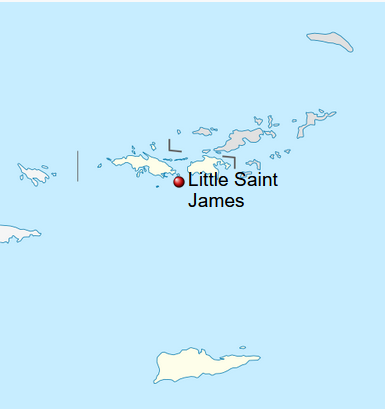
My sense is that Wall Street and Pennsylvania Avenue, to pick just two American examples—and Epstein’s Little Saint James island hideout would be another—my sense is that such locales are littered with people who do indeed feel this way. The fact that they know to cheat and how to cheat without getting caught is among the things they are proud of. Other humans—going back at least to Plato’s Socrates in the Gorgias—have questioned whether the cheaters can be right.
And must I add that, no matter how social our lives may seem to be—the photos smiling with famous friends—the last hand must be played alone.
Français
Le solitaire
Je n’ai jamais été un joueur de solitaire jusqu’à présent, mais ces derniers temps, je joue en ligne pour passer le temps pendant que je marche sur un tapis roulant (pour ma santé cardiaque et ma forme physique générale).
Je crois que dans le bon vieux temps, tricher était la norme au solitaire (comme dans la vie). Vous pouviez – lorsque vous jouez au jeu classique « Klondike » – déplacer les cartes autres que les rois vers des colonnes vides et découvrir une ou plusieurs cartes cachées. Mais il semble qu’actuellement la seule façon de tricher soit d’utiliser le bouton qui annule le ou les coups précédents. Ainsi, si je constate qu’un coup mène à une impasse ou qu’une carte découverte ne m’est guère utile, je peux revenir en arrière et essayer autre chose.
Permettez-moi également, dès le départ, de dire ceci à propos de la triche aux cartes comme dans la vie : une fois qu’on a commencé, il est très difficile de s’arrêter. Je n’ai guère besoin, alors que je m’entraîne seul sur un tapis roulant, de gagner une partie de solitaire en particulier, et pourtant… Puisqu’il est possible de tricher, et que personne ne regarde par-dessus mon épaule…
J’ai trouvé un internaute qui disait avoir joué à un peu plus de 5 000 parties de solitaire, mais seulement 9 % d’entre elles se sont soldées par une victoire ». Quel serait mon taux de réussite au Klondike si je ne trichais jamais ? À peu près le même ? D’après un article du New York Times sur comment gagner au solitaire, il est envisageable d’atteindre un taux de victoire de 33 % (en jouant sur Solitaired.com, un programme que je ne connais pas). Sans vouloir chipoter, je pense que l’article confond les termes « strategy » (stratégie : un plan d’action) et « tactic » (tactique : une manœuvre ou une action en soi).
Se pose alors la question de savoir s’il existe des tactiques qui améliorent les chances de gagner, ou si tout repose uniquement sur la « chance du tirage » ? L’article du Times propose quelques tactiques, mais elles me semblent si élémentaires, voire intuitives, qu’elles ne méritent pas le nom de tactiques. Les joueurs de solitaire diront peut-être qu’en jouant, ils font travailler leur cerveau, ce qui me semble vrai, mais cela implique de considérer le cerveau comme un muscle plutôt que comme une « intelligence ». Si, en revanche, on passe au FreeCell, au Spider (avec deux couleurs ou plus) et au Yukon, un don pour la reconnaissance visuelle et la planification s’avère très précieux, tout comme la patience (une qualité qui me fait défaut). En effet, dès que la main initiale est distribuée et à d’autres moments, il vaut la peine de prendre le temps de réfléchir à une stratégie – d’essayer de déterminer quels coups suivants ont le plus de chances de mener au succès.
Evidemment, je présente tout cela comme une analogie avec la vie. Si nous avons une compréhension raisonnable des tactiques intuitivement évidentes pour « gagner » – un concept que nous ne pourrons pas définir dans le cas de la vie, et en particulier compte tenu de la certitude de la mortalité – mais si néanmoins…
Sans tricher, on peut gagner entre 9 et 33 % du temps. Ou plutôt, on peut être sûr de perdre entre 67 et 91 % du temps. Et, peut-être plus important encore, à moins qu’on nous ait reçu un cerveau défectueux, notre succès ou notre échec sera presque entièrement dicté par les cartes qui nous ont été distribuées. Ça vaut la peine de le répéter : tu peux être un putain de génie ; si on te distribue une main perdante… Tu as une main perdante.
Et, oui, nous – ou bien nos parents ? – distribuons les cartes nous-mêmes, avec nos propres mains ou nos hormones agissant de manière robotique, mais ce n’est pas ces activités physiques qui influencent notre destin. Et souvent, dès le début ou presque, nous pouvons être raisonnablement sûrs que nous avons des cartes perdantes. Certains abandonnent peut–être tout de suite ; pour ma part, je continue à jouer, espérant contre toute attente que mon destin sera différent de ce qu’il semble être.
Et, à l’inverse, si je gagne plusieurs parties d’affilée, je commence à me sentir comme l’un des élus de Dieu ! Comment quelqu’un doté de mon talent et de ma bonne fortune pourrait-il jamais perdre ? (Est–ce cela qui rend le solitaire si addictif ?)
Et puis, il y a des moments où l’on peut avoir l’impression qu’un esprit maléfique s’est emparé de la machine et ne distribue que des 4 ou que des cartes rouges, ou autre chose encore. Et peut-il y avoir, dans certains cas, du plaisir à jouer une mauvaise main ? Au solitaire, contrairement à la vie, le suicide, c’est-à-dire le fait de jeter ses cartes, n’empêche pas de rejouer. (Et sera-t-il possible, à l’avenir, de jeter tout ou partie de ses gènes et d’en obtenir un nouvel ensemble ?)
Et peut-être plus important encore – et de nouveau, pas seulement en solitaire – plus nous sommes prêts à tricher – et à le faire de manière répétée, flagrante et massive – plus nous pouvons être certains de « gagner ». Mais ici, et à la vue des photos de Jeffrey Epstein récemment divulguées par la Chambre des représentants des États-Unis, nous en revenons à une question imposante: qu’est-ce que gagner ? Le gagnant du solitaire, au fond de son cœur, a-t-il le sentiment d’avoir gagné une partie dans laquelle il a triché ?
J’ai le sentiment que Wall Street et Pennsylvania Avenue à Washington, pour ne citer que deux exemples américains – et le repaire d’Epstein dans les Caraïbes (sur l’île Little Saint James) en serait un autre –, j’ai le sentiment que ces lieux regorgent de personnes qui pensent effectivement ainsi. Le fait qu’ils sachent tricher et qu’ils sachent comment le faire sans se faire prendre fait partie des choses dont ils sont fiers. D’autres êtres humains – remontant au moins au Socrate de Platon dans le Gorgias – se sont demandé si les tricheurs pouvaient avoir raison.
Et dois-je ajouter que, quelle que soit la sociabilité apparente de nos vies – les photos où l’on sourit aux côtés d’amis célèbres –, la dernière main doit être jouée seul.
Español
El solitario
Hasta ahora nunca había jugado al solitario, pero últimamente lo hago online para pasar el rato mientras camino en la cinta (por salud cardíaca y para mantenerme en forma).
Creo que en los viejos tiempos, hacer trampa era algo habitual en el solitario (como en la vida). Podrías -al jugar al clásico juego «Klondike»- mover las cartas que no son reyes a columnas vacías y descubrir una o varias cartas cubiertas. Pero ahora parece que la única manera de engañar es utilizar el botón que anula la jugada anterior, o las jugadas anteriores. Así, si veo que un movimiento me lleva a un callejón sin salida, o que una carta que he descubierto no me sirve de mucho, puedo volver atrás y probar otra cosa.
Permítanme también, aquí al principio, decir esto sobre hacer trampa en las cartas, como en la vida: una vez que empiezas, es muy difícil parar. No tengo ninguna necesidad, mientras hago ejercicio solo en la cinta, de ganar una partida concreta de solitario, y sin embargo… Como es posible hacer trampa, y no hay nadie mirando por encima de mi hombro…
Encontré a un internauta que decía haber jugado algo más de 5000 partidas de solitario, pero solo el 9 % de ellas terminaron en victoria. ¿Cuál sería mi porcentaje de victorias en Klondike si nunca hiciera trampas? ¿Más o menos el mismo? Según un artículo del New York Times sobre cómo ganar al solitario, es posible alcanzar una tasa de victorias del 33 % (jugando en Solitaired.com, un programa que no conozco). Sin querer ser puntilloso, creo que el artículo confunde los términos «strategy» (estrategia: un plan de acción) y «tactic» (táctica: una maniobra o acción en sí misma).
Entonces surge la pregunta de si hay tácticas que mejoran las posibilidades de ganar o si es solo cuestión de «suerte». El artículo del Times ofrece algunas tácticas, pero para mí son tan elementales o intuitivas que no merecen el nombre de tácticas. Los jugadores de solitario pueden decir que, al jugar, ejercitan su cerebro, y esto me parece cierto, pero esto implica pensar en el cerebro como un músculo en lugar de como «una inteligencia». Sin embargo, si pasamos al FreeCell, al Spider (con dos o más palos) y al Yukon, resulta muy valioso tener facilidad para reconocer patrones y planificar, al igual que la paciencia (algo de lo que carezco). Es decir, cuando aparece la mano inicial y en otros momentos, vale la pena dedicar un tiempo a trazar una estrategia -a intentar determinar qué jugadas siguientes tienen más probabilidades de conducir al éxito.
Por supuesto, planteo todo esto como una analogía con la vida. Si tenemos una comprensión razonable de las tácticas intuitivamente obvias para «ganar» —un concepto que no podremos definir en el caso de la vida, y especialmente dada la certeza de la mortalidad—, pero si, no obstante…
Sin hacer trampa, podemos ganar entre el 9 y el 33 % de las veces. O, mejor dicho, podemos estar seguros de que perderemos entre el 67 y el 91 % de las veces. Y, quizás lo más importante, menos que nos hayan repartido un cerebro defectuoso, nuestro éxito o fracaso estará dictado casi en su totalidad por las cartas que se nos hayan repartido. Vale la pena repetirlo: puedes ser un jodido genio; si te reparten una mano perdedora… tienes una mano perdedora.
Y sí, nosotros —¿o nuestros padres?— repartimos las cartas nosotros mismos, con nuestras propias manos u hormonas actuando de forma robótica, pero no son estas actividades físicas las que influyen en nuestro destino. Y a menudo podemos estar razonablemente seguros, desde el principio o casi, de que tenemos cartas perdedoras. Quizás algunos se rinden enseguida; yo, por mi parte, sigo jugando, con la esperanza de que mi destino sea diferente de lo que parece.
Y, por el contrario, si gano un par de partidas seguidas, ¡empiezo a sentirme como uno de los elegidos de Dios! ¿Cómo iba a perder jamas alguien con mi habilidad y mi buena suerte? (¿Es esto lo que hace que el solitario sea adictivo?)
Y luego hay ocasiones en las que uno puede sentir que hay un fantasma malvado en la máquina que solo da 4 o todas las cartas rojas, o lo que sea. ¿Y puede haber también, en algunos casos, placer en jugar una mano perdedora? En el solitario, a diferencia de lo que ocurre en la vida, el suicidio, es decir, tirar las cartas, no impide volver a jugar. (¿Será posible en el futuro tirar algunos o todos los genes y obtener un nuevo conjunto?)
Y quizás lo más importante, y de nuevo, no solo en el solitario, es que cuanto más estemos dispuestos a hacer trampas, y a hacerlo de forma repetida, flagrante o masiva, más seguros podremos estar de «ganar». Aunque aquí —y en vista de las fotos de Jeffrey Epstein divulgadas recientemente por la Cámara de Representantes de los Estados Unidos— volvemos a la imponente pregunta de ¿qué es ganar? ¿El ganador del solitario, en lo más profundo de su corazón, siente que ha ganado un juego en el que ha hecho trampa?
Mi sensación es que Wall Street y Pennsylvania Avenue en Washington, por citar solo dos ejemplos estadounidenses –y el escondite caribeño de Epstein (en la isla Little Saint James) sería otro–, mi sensación es que esos lugares están llenos de gente que realmente se siente así. El hecho de que sepan hacer trampas y cómo hacerlo sin que los pillen es una de las cosas de las que se enorgullecen. Otros seres humanos –remontándonos al menos al Sócrates de Platón en el Gorgias– se han preguntado si los tramposos pueden tener razón.
Y debo añadir que, por muy social que parezca nuestra vida —las fotos sonriendo con amigos famosos—, la última mano hay que jugarla solo.
Quotation(s)
from Joseph Conrad, An Outcast of the Islands:
Willems walked on homeward weaving the splendid web of his future. The road to greatness lay plainly before his eyes, straight and shining, without any obstacle that he could see. He had stepped off the path of honesty, as he understood it, but he would soon regain it, never to leave it any more! It was a very small matter. He would soon put it right again. Meantime his duty was not to be found out, and he trusted in his skill, in his luck, in his well-established reputation that would disarm suspicion if anybody dared to suspect. But nobody would dare! True, he was conscious of a slight deterioration. He had appropriated temporarily some of Hudig’s money. A deplorable necessity. But he judged himself with the indulgence that should be extended to the weaknesses of genius. He would make reparation and all would be as before; nobody would be the loser for it, and he would go on unchecked toward the brilliant goal of his ambition.
The next chapter of the same novel begins equally well, though now we leave behind the subjects, such as solitaire and cheating, of the present post, and have our minds more on the March 2026 battles in the Strait of Hormuz:
The old sea; the sea of many years ago, whose servants were devoted slaves and went from youth to age or to a sudden grave without needing to open the book of life, because they could look at eternity reflected on the element that gave the life and dealt the death. Like a beautiful and unscrupulous woman, the sea of the past was glorious in its smiles, irresistible in its anger, capricious, enticing, illogical, irresponsible; a thing to love, a thing to fear. It cast a spell, it gave joy, it lulled gently into boundless faith; then with quick and causeless anger it killed. But its cruelty was redeemed by the charm of its inscrutable mystery, by the immensity of its promise, by the supreme witchery of its possible favour. Strong men with childlike hearts were faithful to it, were content to live by its grace—to die by its will. That was the sea before the time when the French mind set the Egyptian muscle in motion and produced a dismal but profitable ditch. Then a great pall of smoke sent out by countless steam-boats was spread over the restless mirror of the Infinite. The hand of the engineer tore down the veil of the terrible beauty in order that greedy and faithless landlubbers might pocket dividends.
— Solitaire text(s) and photograph by William Eaton.
More at Art, Sex, Politics, one of the two collections of Eaton’s essays that have been published by Serving House Books.
 montaigbakhtinian