This is a short poem, begun in English and with versions en français en español. There are also extensive Notes in English, one of them having to do with the poem and the longer other with two anthologies of English-language poetry.
I have been wounded
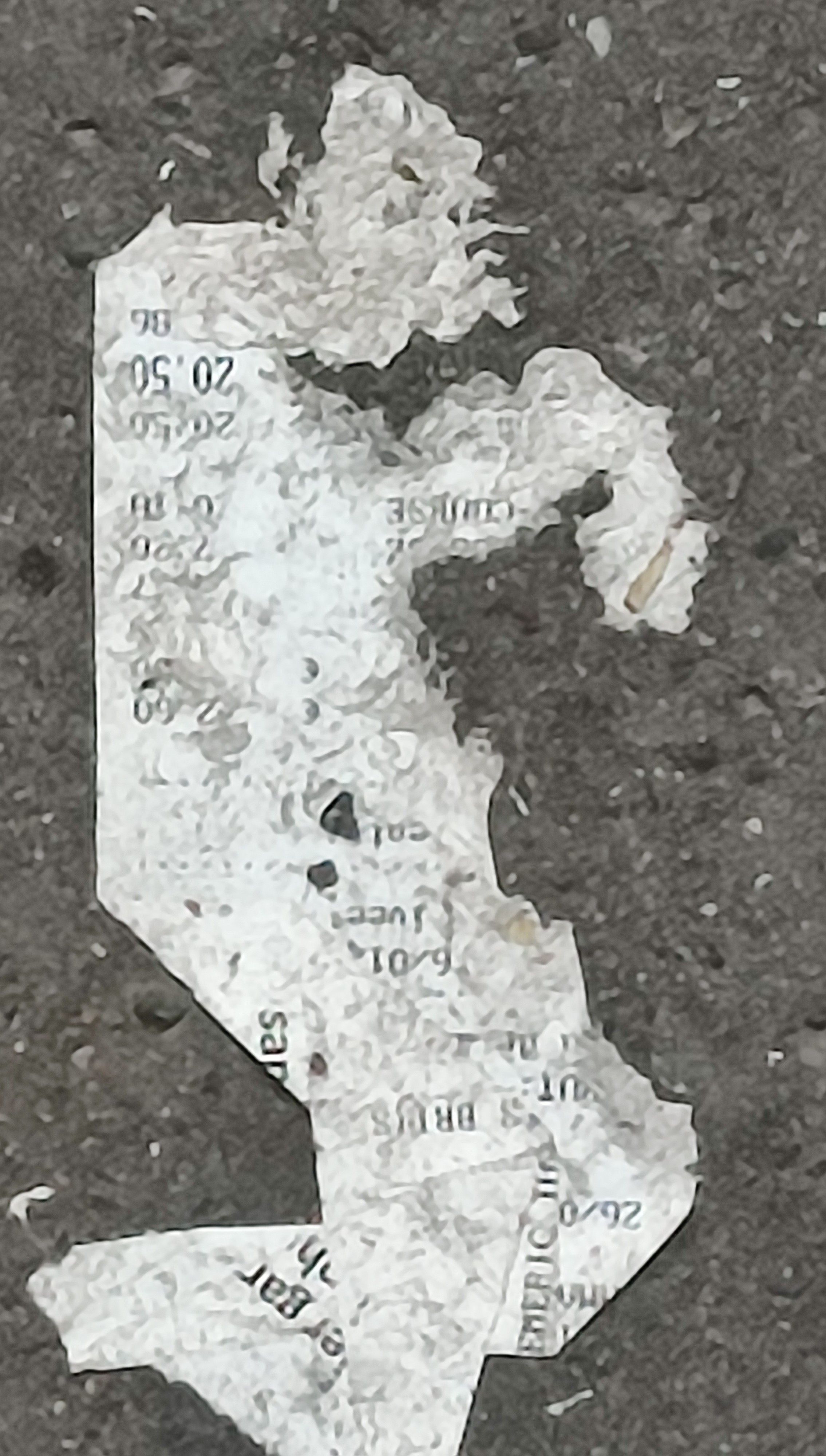
I have been wounded
And I have waited
And the wound has taken its time
And I have sown
Hopes that I’ve known
And the wound has taken its time
And if I will feel
What must be real
What will it matter: time
Notes
The English text (which has been very simply translated into French and Spanish) comes straight from notes I jotted down one evening while walking from a Paris theater to a métro station. Subsequently I had formal concerns. The first verse has, instead of rhyme, alliteration. Shouldn’t this be reproduced in the subsequent verses; why do they shift to rhyme?
So then I tried various things, coming at last to, for the second verse:
Hope I’ve consumed
Waiting nothing’s abated
The wound has kept taking its time
But the simplicity of the original was getting lost in poetic contrivance, so I stuck with the original version.
Secondly, as regards the two anthologies of English-language poetry: a decade or so ago Cambridge University Press published Songs of Ourselves, volumes 1 and 2 (along with other volumes for Stories of Ourselves, and a third volume of poetry and prose). These volumes were prepared first and foremost for British teenagers preparing for examinations, but they are full of poems, many of them lesser known, that are a pleasure to read and that are presented with a typographical clarity (including plenty of white space) that makes them easy to read.
I would have been pleased to have been able to sit quietly in the back of the room where the decisions were made regarding the priorities and choices for the volumes. The introductions are delightfully short and speak only of a desire to include more women poets and more poets from other parts of the English-speaking world, beyond the UK. Poems are also grouped by theme so that readers may compare different approaches to the same subject.
But, for example, how was it decided to include this or that well-known poem or poet and to not have space for this or that other one? American poetry is given short shrift, but there are other anthologies for it. And I wish the editors had given the exact dates of the poems and the nationalities of the poets. The first volume groups the poems by historical period, but the second groups them by theme, so—lacking any idea of their date—we struggle to think about the historical context in which they were created.
This disinterest in history is, however, of less import than the volumes’ rejection of the idea of a canon, of a set of poems that all literate English readers might be expected to have read, to share in common. I did not have the feeling that the editors wished to replace, say, Louis MacNeice’s Bagpipe Music with Stevie Smith’s From the Coptic. They appeared to wish, rather, to make no particular claim for their volumes’ particular choices, except that these poems could engage contemporary readers and offer them an opportunity to compare different poems on major themes.
I am reminded of a French-language documentary I saw recently, about a museum in the Central African Republic. The anthropologist who spearheaded this project seemed not to wish to impose his, inherently subjective, class-, gender-, and nationality-based perspective on the subject, and so the film was without narration or other guiding intelligence. It was just a collection of potentially interesting images and comments by museum staff. Like bits of buoys and toys left to float one winter on a swimming pool (an image that comes to mind).
All this said, I would reiterate that I have been pleased to come across these Cambridge volumes and so many good poems that I’ve never read before.
Français
J’ai été blessé
J’ai été blessé
Et j’ai attendu
Et la blessure a pris son temps
Et j’ai semé
Des espoirs que j’ai connus
Et la blessure a pris son temps
Et si je ressens
Ce qui doit être réel
Qu’importe-t-il finalement, le temps
Español
He sido herido
He sido herido
Y he esperado
Y la herida ha tardado en curarse
Y he sembrado
Las esperanzas que he conocido
Y la herida ha tardado en curarse
Y si siento
Lo que debe ser real
¿Qué importará el tiempo?
— Poem(s) and photograph by William Eaton.
If you like this poem (in English), you likely will find others to your taste in Light verse, light verse: Everything else is worse.
 montaigbakhtinian