Movies William Eaton has discussed (as of August 2026), with links to the pieces, appearing either here in Montaigbakhtinian.com or in Zeteo.
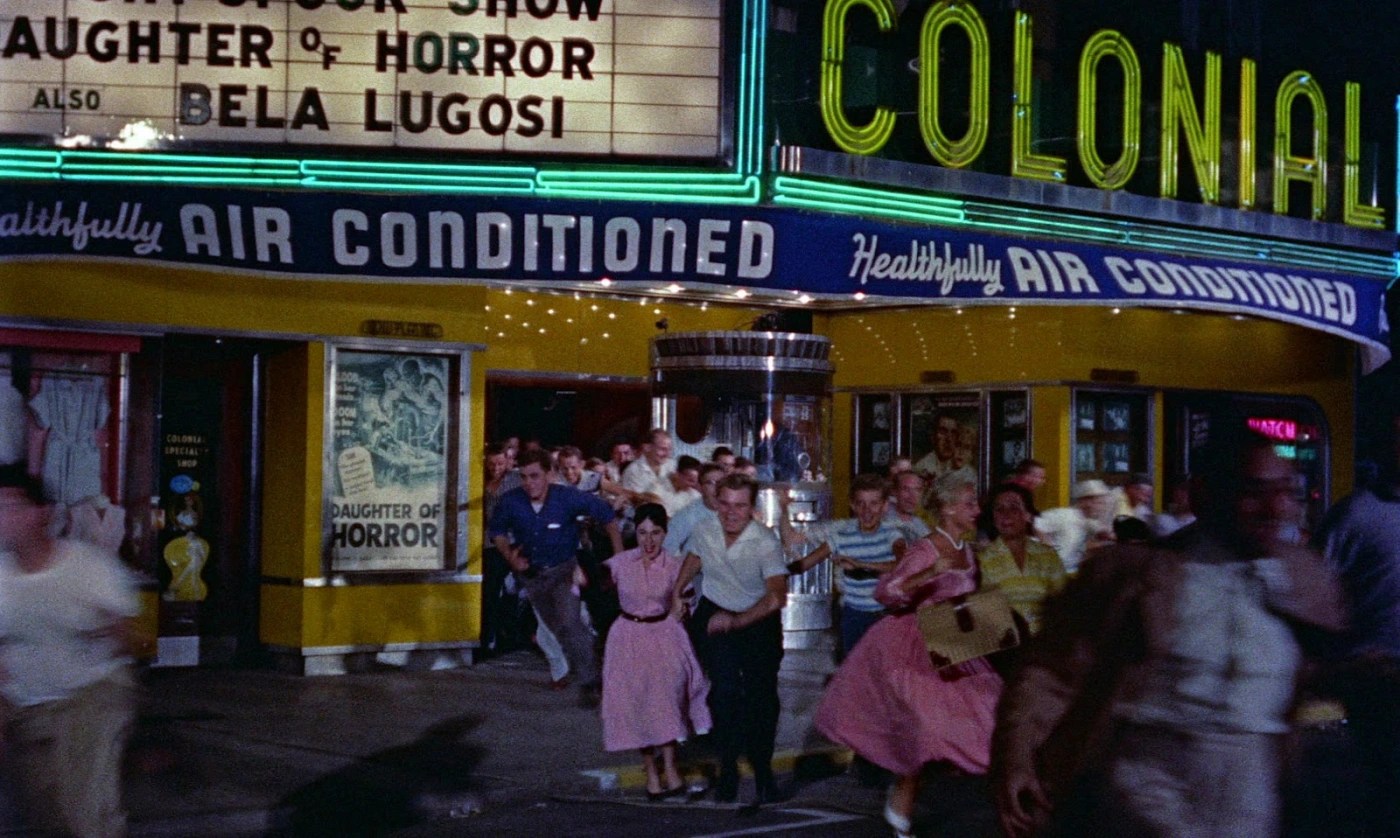 Should this list begin with a confession? When I was quite young my mother—a great movie lover, a person who, like other city dwellers of her generation, used to pass summer afternoons in air-conditioned movie theaters watching triple features—took me to see The Mutiny on the Bounty. I am assuming this would have been the 1962 remake starring Marlon Brando and Trevor Howard. And this would have made me 8 years old, way too young, at least in my case, for the violence—the flogging—of that movie. My view of the movies has never been the same since?
Baisers Volés, directed by François Truffaut, 1968, inspired a Poème romantique. (And how many times, since its original publication, have I revised this short poem? And how many more revisions remain?)
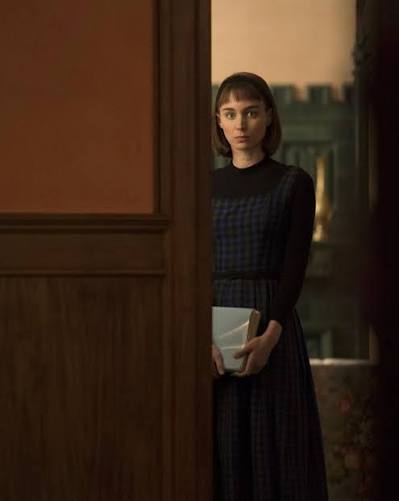 Carol, directed by Todd Haynes, 2015, is satirized in Carol, Rooney! Smoking? Gun.
Citizenfour, documentary by Laura Poitras, 2014: Snowden/Jesus.
Deux jours, une nuit (Two Days, One Night), directed by Jean-Pierre Dardenne and Luc Dardenne, 2014 led to notes about Deux jours, une nuit (Two Days, One Night).
Gentlemen Prefer Blondes sets in motion the anecdote of The story of my life, take 115 (a.k.a. Blondes prefer gentleman – The story of my life,… ma vie… mi vida – take/prise/toma #115).
Groundhog Day leads to After Groundhog Day – Ce qui nous survivra, ¿es el amor? (And one of the notes to this piece mentions briefly the 2026 documentary Les Survivants du Che.)
Hannah Arendt, directed by Margarethe von Trotta, 2012: Notes after seeing Margarethe von Trotta’s Hannah Arendt (and doing a little reading).
It Happened One Night, by Frank Capra, 1934: Going Nowhere? (A fresh look at the movies). (Focuses particularly on commercial aspects of moviemaking, particularly in the United States. Does not entirely ignore Stanley Cavell’s Pursuits of Happiness: The Hollywood Comedy of Remarriage
 Jonas qui aura 25 ans en l’an 2000 (For Jonas Who Will Be 25 In The Year 2000), Alain Tanner and John Berger, 1976: Film, Marxism: Tanner, Berger, Jonas.
King: A Filmed Record . . . Montgomery to Memphis, a documentary by Ely Landau, 1970: “I may not be able to read or write—but I have the capacity to die!”
La grande bellezza, directed by Paolo Sorrentino, 2013: Comparing The Lady Vanishes not all that favorably to La grande bellezza. Also discussed in On the Unexpected.
La Sapienza, directed by Eugène Green, 2014: Divine Wisdom (and of course emotions).
La Vénus électrique, directed by Pierre Salvadori, 2026, gets brief notice—high praise—at the outset of a poem: Je suis allé voir une spécialiste (a problem with my nerves) – y una pelota blanda. Please note that the notice adds that I happened upon a dubbed, English-language trailer for this movie and did not like it. The voices were wrong, the presentation of the film not good. I wonder if this was an AI product? I can only hope a version of the movie is going to be offered with English-language subtitles created by a talented human being with a good feeling for the film.
Men in Black 3, directed by Barry Sonnenfeld, 2012, plays its part in Certum est, quia impossibile.
 Molière, directed by Laurent Tirard, 2007: Moliere (one of the films).
Mr. Turner, directed by Mike Leigh, 2014: “What are the unreal things, but the passions that once burned one like fire?” This essay discusses in particular Oscar Wilde’s dialogue The Critic as Artist.
Sympathy for the Devil (or 1 + 1), directed by Jean-Luc Godard, 1968: Distancing / Awareness. This essay also includes a discussion of British film theorist Laura Mulvey’s seminal article: Visual Pleasure and Narrative Cinema (Screen 3, Autumn 1975). Note: The “Distancing” essay also very briefly touches on and reproduces a film still from An Angel at My Table, directed by Jane Campion, 1990.
That Uncertain Feeling is the subject of Lost illusions – Illusions perdues – Ilusiones perdidas. (“Illusions perdues” being the title of the French version.)
The Black Panthers: Vanguard of the Revolution, directed by Stanley Nelson Jr., 2015, plays a role in Paris, Terrorism, Religion, Justice.
The King’s Speech, 2010, directed by Tom Hooper, from David Seidler’s script: The King’s Therapy.
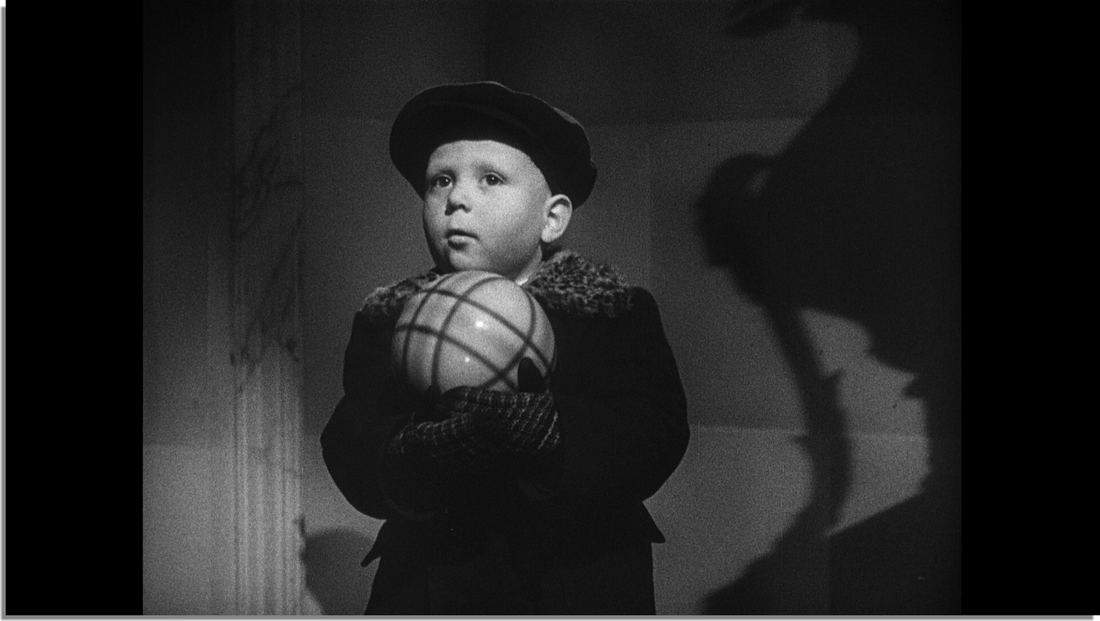 The Lady Vanishes, directed by Alfred Hitchcock, 1938: Comparing The Lady Vanishes not all that favorably to La grande bellezza.
The Third Man, 1949, directed by Carol Reed, from Graham Greene’s script: The Third Man.
Un poeta (A_Poet) gets brief notice—high praise—in the lead up to The cannibal poem (Y que mi calidez te acompañe . . . Quoi qu’il nous arrive).
Youth, directed by Paolo Sorrentino, 2015, discussed in endnote 1 of Zeteo essay The Greatest Movies of All Time.
This “Greatest” essay mentions more than 40 movies. As for which of those I, personally, could classify as greatest? A ridiculous undertaking; however . . . The Chinese movie released in the United States with the title Farewell My Concubine? It would be hard to make a better comic film than Agnès Jaoui et Jean-Pierre Bacri’s Un air de famille. (Though, note, comedy rarely translates well; this may be “only” a great French comedy. English title: Family Resemblances. And another, more recent, Jaoui masterpiece: L’Objet du délit (Crescendo), 2026.)
 As regards American movies, one could certainly do worse than All the President’s Men. It’s been a long time since I’ve seen Bob Fosse’s All That Jazz, but I used to think I could teach that movie, as literature. (And there’s also Fosse’s Cabaret.)
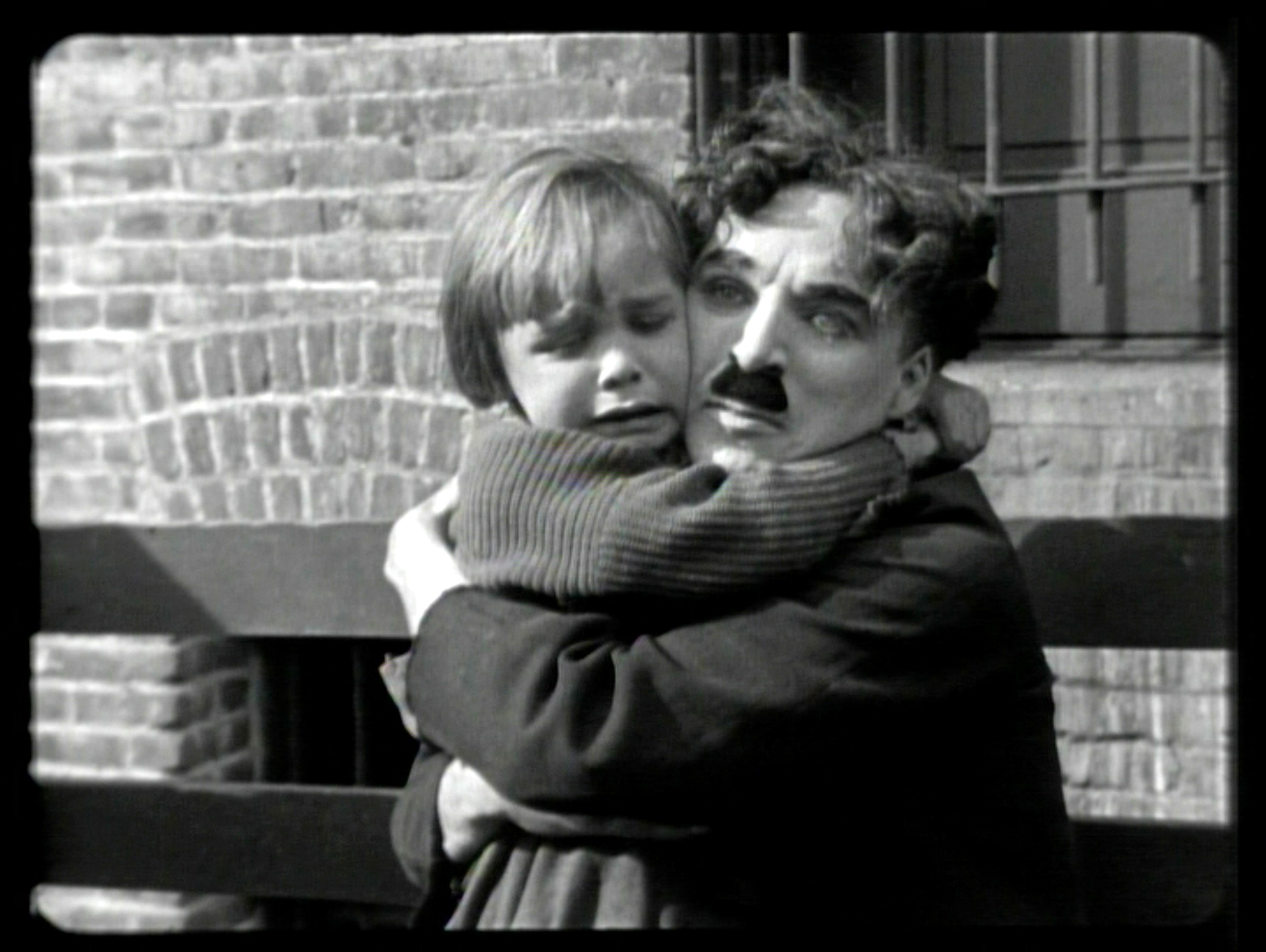
Other personal favorites (besides some of those referred to above): Ettore Scola’s Le Bal and Charlie Chaplin’s The Kid. I am prepared to say that the greatest love scene Hollywood has ever produced, will produce, or could produce is the scene in The Kid where the authorities take away from the poor Tramp the boy that circumstances forced him to adopt and who he has raised with nothing but love.
+ Montaigbakhtinian also includes is a piece on Jean Seberg, inter alia, the female lead of À bout du souffle (Breathless).
And then there’s A Foreign Affair, an excellent but little known Billy Wilder film. It was was perhaps considered a little politically incorrect when it was released in 1948, but now, with the deterioration in our view of the American military . . . We are able to see that this is about as good a movie as Hollywood can make? Will I be able to avoid writing any more about it than just this?
— William Eaton.

