English followed by une version en français y una versión en español.
Antigone, the United Nations, self-interest: a brief comment amid the current warmongering
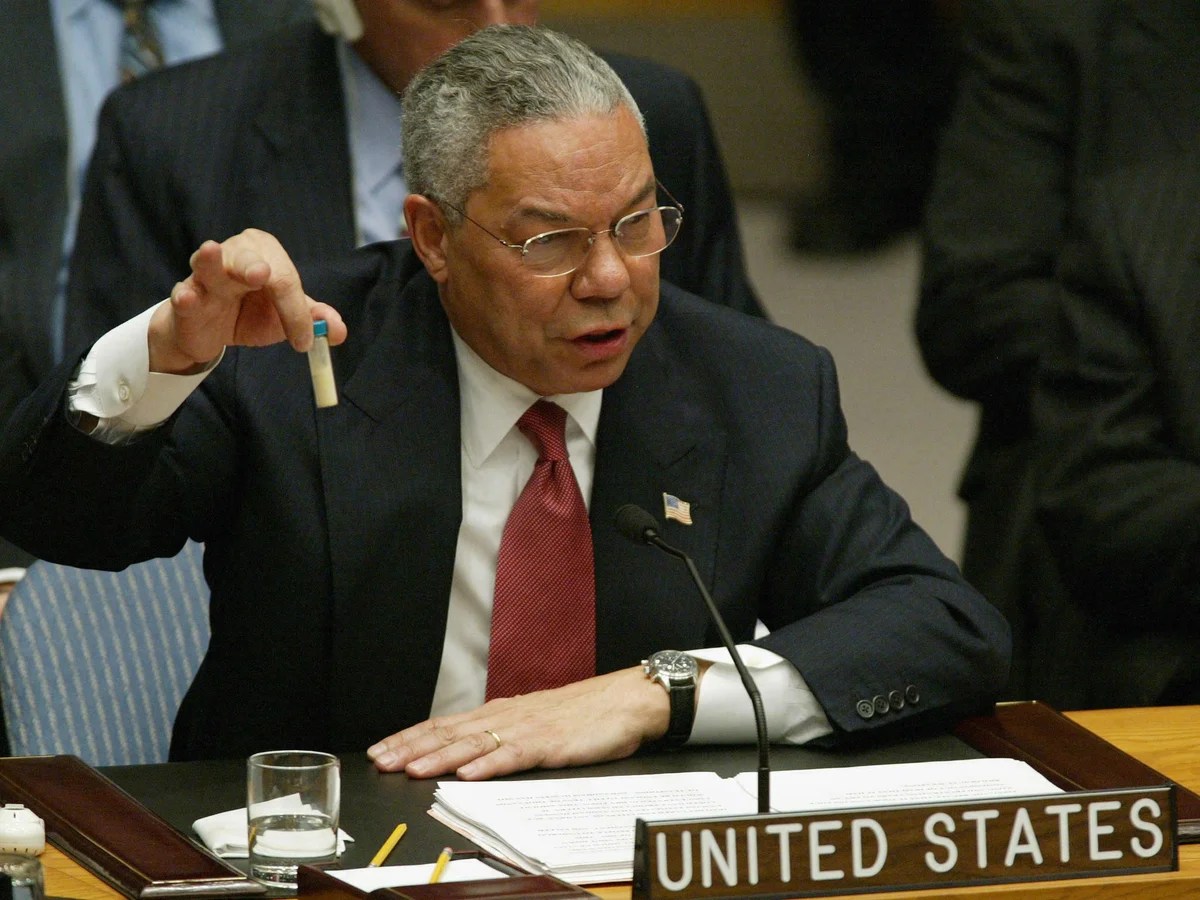
 Working at the United Nations, and certainly with the Security Council, one has the opportunity to learn that great principles can always be found to defend any course of action, and no matter how questionable that action may be. No country is exempt from this law, but the United States has long offered itself as a prime example. Bombs are dropped on civilians and on their infrastructure, leaders are kidnapped or assassinated, and this is ever in the interest of achieving or preserving peace and promoting human rights and democracy.
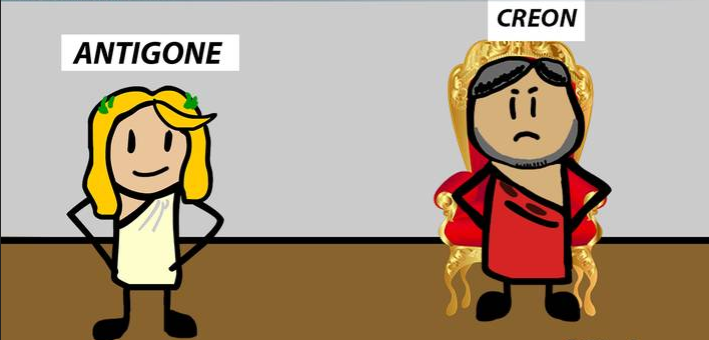
I mention this after having seen a performance of Sophocles’s Antigone. One way of interpreting the play has King Creon justifying killing Antigone (and thus seeking to consolidate his hold on power) on the grounds that the happiness of a citizenry depends on there being rule of law. (He’s got a point there?) Meanwhile Antigone and her fiancé Haemon’s resistance to Creon may be read as an attempt to supplant Creon, which attempt is presented disingenuously as an attempt to defend a higher law, the law of the gods rather than of human beings, however empowered they may be.
I do not insist that this is the only way, nor, certainly, the traditional way, of interpreting Antigone. I would only insist that, having spent a few years working with the Security Council, it is hard for me to interpret the characters’ pronouncements otherwise.
Recent news has included various world leaders claiming that they were making war in accordance with various religious (or otherwise universal or self-evident) principles. As with Antigone, this comes with a certain arrogance: a claim by one individual or group or nation that it knows better than others the will of God or of the gods.
That Antigone turns out to have an esteemed religious figure on her side: this is just par for the course. Esteemed religious figures can always be found to defend any given course of action, and no matter how murderous it may be. Although the Nazis were in many ways anti-Christian, in 1938 Theodore Innitzer, Archbishop of Vienna, publicly supported the Anschluss, the German annexation of the overwhelmingly Catholic Austria.
It is not clear whether these few paragraphs should be considered theater criticism or political commentary. In closing I would reiterate my support for a presentation of Antigone that showed both sides in the power struggle as coming forward with laudable justifications for their self-interested actions. From a theatrical standpoint this would seem the most engaging approach, and from a political one: the most accurate.
Français
Antigone, les Nations Unies, l’intérêt personnel : une brève réflexion au milieu de l’actuelle frénésie belliciste
 En travaillant aux Nations Unies, et a fortiori au sein du Conseil de sécurité, on a l’occasion de constater qu’il est toujours possible de trouver de grands principes pour justifier n’importe quelle ligne de conduite, aussi contestable soit-elle. Aucun pays n’échappe à cette règle, mais les États-Unis s’en sont longtemps présentés comme un très bon exemple. Des bombes sont larguées sur des civils et leurs infrastructures, des dirigeants sont kidnappés ou assassinés, et tout cela est toujours fait dans l’intérêt de l’instauration ou du maintien de la paix et de la promotion des droits de l’homme et de la démocratie.
Je mentionne cela après avoir assisté à une représentation de l’Antigone de Sophocle. Une façon d’interpréter la pièce consiste à voir le roi Créon justifier le meurtre d’Antigone (et chercher ainsi à consolider son emprise sur le pouvoir) au motif que le bonheur des citoyens dépend du respect de l’État de droit. (Il n’a pas tout à fait tort ?) Parallèlement, la résistance d’Antigone et de son fiancé Hémon face à Créon peut être interprétée comme une tentative de supplanter Créon, tentative qui est présentée de manière fallacieuse comme une volonté de défendre une loi supérieure, la loi des dieux plutôt que celle des êtres humains, aussi puissants soient-ils.
Je n’insiste pas sur le fait qu’il s’agit là de la seule façon, ni, bien sûr, la façon traditionnelle, d’interpréter Antigone. Je tiens simplement à souligner qu’après avoir travaillé plusieurs années au Conseil de sécurité, il m’est difficile d’interpréter autrement les déclarations des personnages.
L’actualité récente a vu divers dirigeants mondiaux affirmer qu’ils faisaient la guerre conformément à divers principes religieux (ou universels, ou évidents par eux-mêmes). Comme dans Antigone, cela s’accompagne d’une certaine arrogance : l’affirmation par un individu, un groupe ou une nation qu’il connaît mieux que les autres la volonté de Dieu ou des dieux.
Qu’Antigone se retrouve avec une figure religieuse estimée à ses côtés : cela n’a rien d’étonnant. On trouve toujours des figures religieuses estimées pour défendre n’importe quelle ligne de conduite, aussi meurtrière soit-elle. Bien que les nazis fussent à bien des égards antichrétiens, en 1938, Théodore Innitzer, archevêque de Vienne, a publiquement soutenu l’Anschluss, l’annexion par l’Allemagne de l’Autriche, pays à très forte majorité catholique.
Il n’est pas certain que ces quelques paragraphes doivent être considérés comme une critique théâtrale ou comme un commentaire politique. Pour conclure, je réitère mon soutien à une mise en scène d’Antigone qui présenterait les deux camps de la lutte pour le pouvoir comme avançant des justifications louables pour leurs actions égoïstes. D’un point de vue théâtral, cela semblerait l’approche la plus captivante, et d’un point de vue politique : la plus juste.
Español
Antígona, las Naciones Unidas, el interés propio: un breve comentario en medio del actual belicismo
Al trabajar en las Naciones Unidas, y sin duda en el Consejo de Seguridad, uno tiene la oportunidad de aprender que siempre se pueden encontrar grandes principios para defender cualquier línea de actuación, por muy cuestionable que sea dicha actuación. Ningún país está exento de esta ley, pero Estados Unidos se ha erigido desde hace tiempo en un ejemplo paradigmático. Se lanzan bombas sobre civiles y sus infraestructuras, se secuestra o asesina a líderes, y todo ello siempre en aras de lograr o preservar la paz y promover los derechos humanos y la democracia.
Menciono esto tras haber visto una representación de Antígona, de Sófocles. Una forma de interpretar la obra es que el rey Creonte justifica el asesinato de Antígona (y, por tanto, busca consolidar su control del poder) alegando que la felicidad de la ciudadanía depende de que reine el Estado de derecho. (¿Tiene razón en eso?) Mientras tanto, la resistencia a Creonte de Antígona y su prometido Hemón puede interpretarse como un intento de suplantar a Creonte, intento que se presenta de manera engañosa como un intento de defender una ley superior, la ley de los dioses en lugar de la de los seres humanos, por muy poderosos que estos sean.
No insisto en que esta sea la única forma, ni, desde luego, la forma tradicional, de interpretar a Antígona. Solo insistiría en que, tras haber pasado unos años trabajando con el Consejo de Seguridad, me resulta difícil interpretar las declaraciones de los personajes de otra manera.
En las noticias recientes hemos visto a varios líderes mundiales afirmar que estaban haciendo la guerra de acuerdo con diversos principios religiosos (o universales, o evidentes). Al igual que en Antígona, esto conlleva cierta arrogancia: la afirmación por parte de un individuo, un grupo o una nación de que conoce mejor que los demás la voluntad de Dios o de los dioses.
Que Antígona acabe teniendo a su lado a una estimada figura religiosa: esto es lo habitual. Siempre se pueden encontrar estimadas figuras religiosas que defiendan cualquier línea de actuación, por muy asesina que sea. Aunque los nazis eran en muchos sentidos anticristianos, en 1938 Theodore Innitzer, arzobispo de Viena, apoyó públicamente el Anschluss, la anexión alemana de la abrumadoramente católica Austria.
No está claro si estos pocos párrafos deben considerarse crítica teatral o comentario político. Para terminar, reiteraría mi apoyo a una representación de Antígona que mostrara a ambas partes de la lucha de poder presentando justificaciones loables para sus acciones egoístas. Desde un punto de vista teatral, este parecería el enfoque más atractivo, y desde uno político: el más acertado.
— Text(s) by William Eaton. The cartoon image comes from a study.com website. The photograph is of the then-U.S. Secretary of State Colin Powell addressing the United Nations Security Council in February 2003 as regards Iraq’s weapons of mass destruction. Photo by Timothy A. Clary for AFP. (For background one may see 20 years ago, the U.S. warned of Iraq’s alleged ‘weapons of mass destruction.’)
Some readers may be interested in Art, Sex, Politics, one of the two collections of Eaton’s essays that have been published by Serving House Books.

