The trilingual title may be the best thing here—
Oh, our poor poets – Oh, nos pauvres poètes – Ay, nuestros pobres poetas
The rest follows, first in English et puis en français y en español.
Perhaps this is also the place to note something that Emily Dickinson taught me (along with an appreciation for slant or near rhymes). When a poem, or a first line, appears somewhere in your mind, don’t worry if it’s going to be good, bad or earth-shattering; let it out, set it down, and then get to the work of trying to successfully realize whatever, large or small, it may have to offer.
In later years you may take a liking or disliking to certain of these creations, and so too others may decide, at some time or another, that certain of these poems speak to them (or embarrass their dogs).
As T.S. Eliot once put it: “For us, there is only the trying. The rest is not our business.”
Oh, our poor poets
Oh, our poor poets
They cannot help but learn
Nothing they touch or read or feel
Nothing they overhear
That does not find itself in the petri dish
And the resulting bacteria, fungi, mosses
Call themselves poems
Easier to ignore
Than suppress.
Français
Oh, nos pauvres poètes
Oh, nos pauvres poètes
Ils ne peuvent s’empêcher d’apprendre
Tout ce qu’ils touchent, lisent ou ressentent
Tout ce qu’ils entendent par hasard
Finit dans la boîte de Pétri
Et les bactéries, champignons et mousses qui s’y développent
Ils s’appellent eux-mêmes des poèmes
Plus faciles à ignorer qu’à réprimer.
Español
Ay, nuestros pobres poetas
Ay, nuestros pobres poetas
No pueden evitar aprender
Nada que toquen, lean o sientan
Nada que oyen por casualidad
que no se encuentre en la placa de Petri
Y las bacterias que se crían allí
se llaman a sí mismos poemas
más fáciles de ignorar que suprimir.
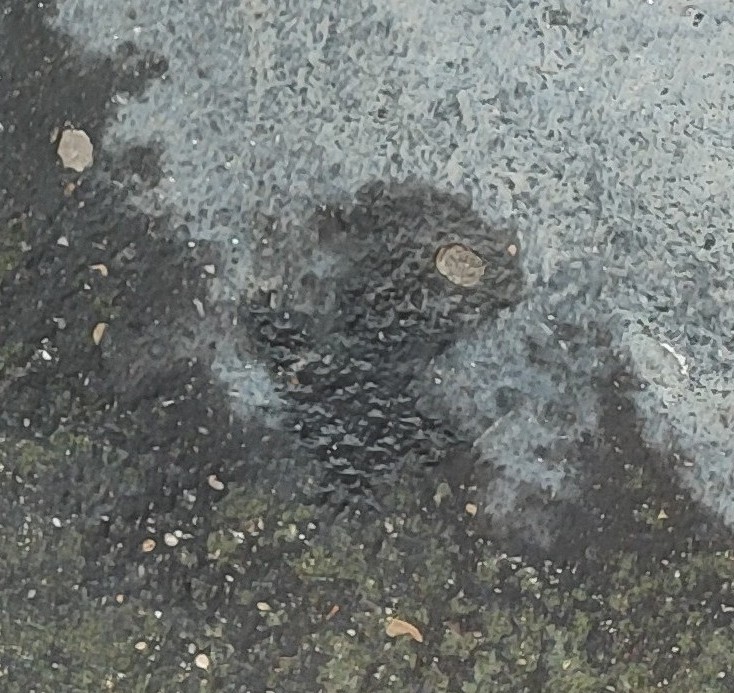
— Poem(s) and photograph by William Eaton.

