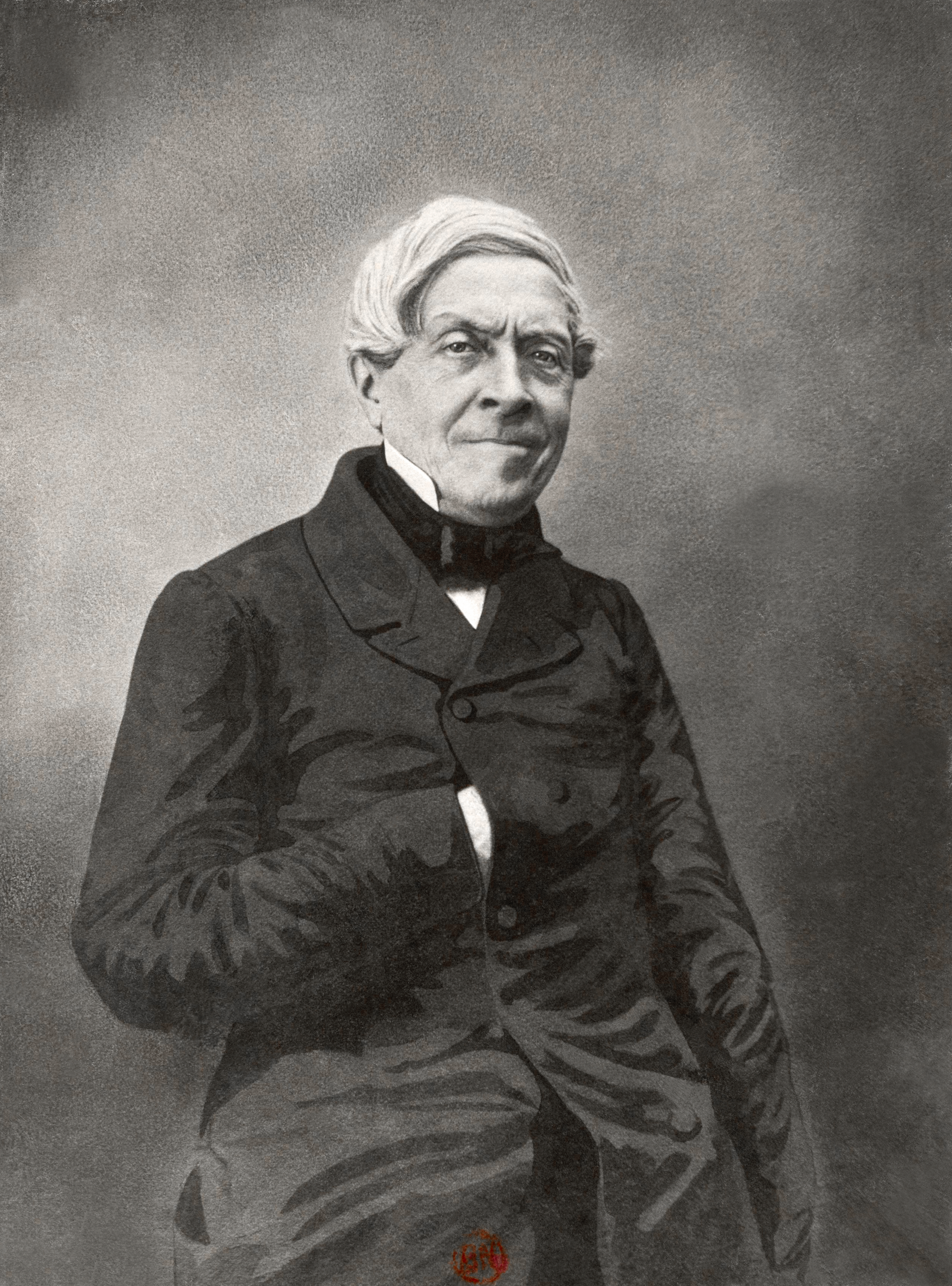
Poème en français followed by a simple rendition in English prose y después una versión un tanto más poética en español. My apologies for having been unable to come up with a more poetic English version. Perhaps there is someone out there who might? And perhaps at a later date I will offer my thoughts about the virtues of Jules Michelet’s brand of history writing. (A photo of him by Nadar appears just below.)
It has been suggested to me that the French Protestants of the seventeenth century had this advantage over the French Jews of the twentieth: if they did not wish to be massacred (or sent to concentration camps with gas chambers), they could convert. I’m afraid, however, that my mind struggles to get past the massacres.
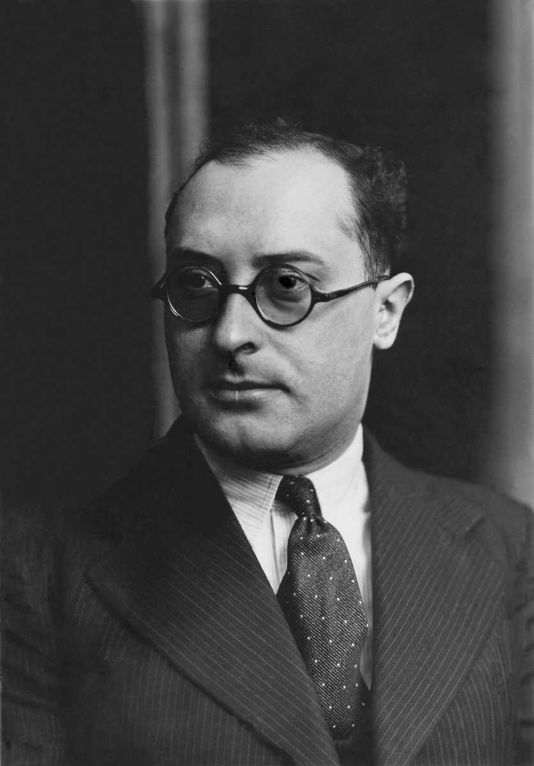 And then, before I had a chance to publish this piece, a documentary film, Haute solitude, was released, a film about Jean Zay, like me with one Jewish and one Protestant parent, and raised as a Protestant. As the French ministre de l’éducation nationale et des beaux-arts (Minister of Education and Fine Arts) from 1936 to 1939, Zay was responsible, among many other things, for founding the Festival de Cannes and the excellent musée de Art moderne de Paris. To make a brutal story short, after serving briefly in the army fighting the Germans, he was imprisoned for being anti-Nazi, a left-wing politician, Jewish and a Free Mason. Right-wing rabble-rousers clamored to have him executed, and indeed, in 1944, he was killed by three thugs, one of whom was later forced to serve two years in prison for this murder. (See quote from monsieur Zay at the very end of this post.)
Quelques lignes après avoir lu Michelet à propos des massacres des Protestants qui ont accompagnés la révocation de l’Edit de Nantes
[Les catholiques] s’amusent à achever les femmes [protestantes] à coups de couteaux, de barres de fer, même à coups de fourchettes, coupant les doigts pour tirer les bagues, arrachant et jupes et chemises. Trois curés, un vicaire, deux seigneurs assistaient, regardaient….
– Jules Michelet (portrait à droite), “Louis XIV et la révocation de l’édit de Nantes”, 1860. Ici il décrit, dans son style à lui, ce qui se déroulait dans les Cévennes après la révocation.
Moitié juif, moitié protestant,
Comment puis-je venir en France,
Et oser lire des histoires du pays,
Et trouver les Français vraiment gentils,
Et me rappeler aussi mes ancêtres Blancs,
L’élimination des Américains moins munis,
Pour s’emparer des ressources d’un riche pays,
Et créer de l’espace pour les Blancs avides,
Qu’on ne peut pas dire étaient notamment gentils?
English
A few lines after reading Michelet on the massacres of Protestants that followed the revocation of the Edict of Nantes
[The Catholics] took pleasure in finishing off [Protestant] women with knives, iron bars, and even forks, cutting off their fingers to pull off their rings, and tearing off their skirts and shirts. Three priests, a vicar, and two lords stood by, watching . . .
– Jules Michelet, “Louis XIV and the Revocation of the Edict of Nantes,” 1860. Here he describes, in his inimitable style, what was unfolding in the Cevennes after the revocation.
Half-Jewish and half-Protestant, how can I come to France, and dare read histories of the country, and find the French quite nice, while also remembering my white ancestors, our elimination of less well-off Americans, so that we might seize the land’s resources and make room for greedy white people, who cannot be said to have been nice.
Español
Unas líneas tras leer a Michelet sobre las masacres de protestantes que siguieron a la revocación del Edicto de Nantes
[Los católicos] se complacían en acabar con las mujeres [protestantes] a cuchilladas, con barras de hierro e incluso con tenedores, cortándoles los dedos para quitarles los anillos y arrancándoles las faldas y las camisetas. Tres sacerdotes, un vicario y dos señores permanecían allí de pie, mirando…
– Jules Michelet, “Louis XIV et la révocation de l’édit de Nantes”, 1860. Aquí describe, con su estilo característico, lo que ocurría en las Cévennes tras la revocación.
Siendo mitad protestante y mitad judío,
¿cómo llegar a vivir en Francia puedo,
y a leer historias del país me atrevo,
y encontrar a los franceses muy simpáticos,
al tiempo que recuerdo a mis antepasados blancos,
y como eliminamos a los americanos menos favorecidos,
para de los recursos de la tierra poder apoderarnos,
para hacerle sitio a los blancos codiciosos,
quien no era exactamente amables tampoco?
— Poem(s) and the photograph of the woman (“Shall we call this long after Renoir or Manet (question mark)”) by William Eaton. The 1936 photograph of a man—Jean Zay—is unattributed. A “matter-of-fact” poem with a similar theme: It could be good that un tel poème llegara a su fin.
D’une lettre que Jean Zay, au tout début de sa captivité, a écrit à sa femme
Quand j’aurai pu faire mon récit jusqu’au bout, je suis sûr que personne, dans sa conscience, ne me considéra comme un coupable…. J’ai confiance en la justice…
Once I’ve been able to tell my side of the story in full, I’m sure that no one, in all conscience, will consider me guilty . . . . I have faith in the justice system . . .
Cuando haya podido contar mi versión de los hechos hasta el final, estoy seguro de que nadie, en su conciencia, me considerará culpable…. Confío en la justicia…

